
Boost Your Know-How: Easy Winter Tree Care in Spruce Pine, NC
Winter Tree Care in Spruce Pine, NC matters when the air turns sharp and trees go quiet. Even while they rest, they still need attention. Trees add shade, beauty, and cleaner air. However, cold months can strain bark, branches, and roots.
Therefore, simple steps like Mulching trees and smart Evergreen care can help a lot. In addition, Cold weather tree protection keeps damage low during freezes. If you want a clear plan, use ISA arborist tips to guide safe, steady care all season.
Why winter care matters locally
Winter Tree Care in Spruce Pine, NC starts with local winter realities. As temperatures drop, bark and limbs can crack from ice and frost. Also, those openings can invite pests and disease. Meanwhile, uneven snow cover may insulate roots, yet lingering ice can upset moisture levels.
As a result, planning ahead reduces breakage and costly storm cleanup. For example, wrapping young saplings, adding wind buffers, and watching for weak limbs can lower risk. With steady care now, you set your landscape up for stronger spring growth later.
Choose trees that handle the cold
Picking hardy species supports Winter Tree Care in Spruce Pine, NC with less effort. Native trees often handle mountain freezes better than delicate ornamentals. For example, white pine and mountain ash tend to cope well, while flowering cherries may need extra support.
Also, placement matters. South-facing areas warm faster after a freeze, which can help sensitive trees. In addition, planting near natural windbreaks reduces gust stress. Finally, well-draining soil helps prevent root issues when snow melts and refreezes.
Mulching that protects roots
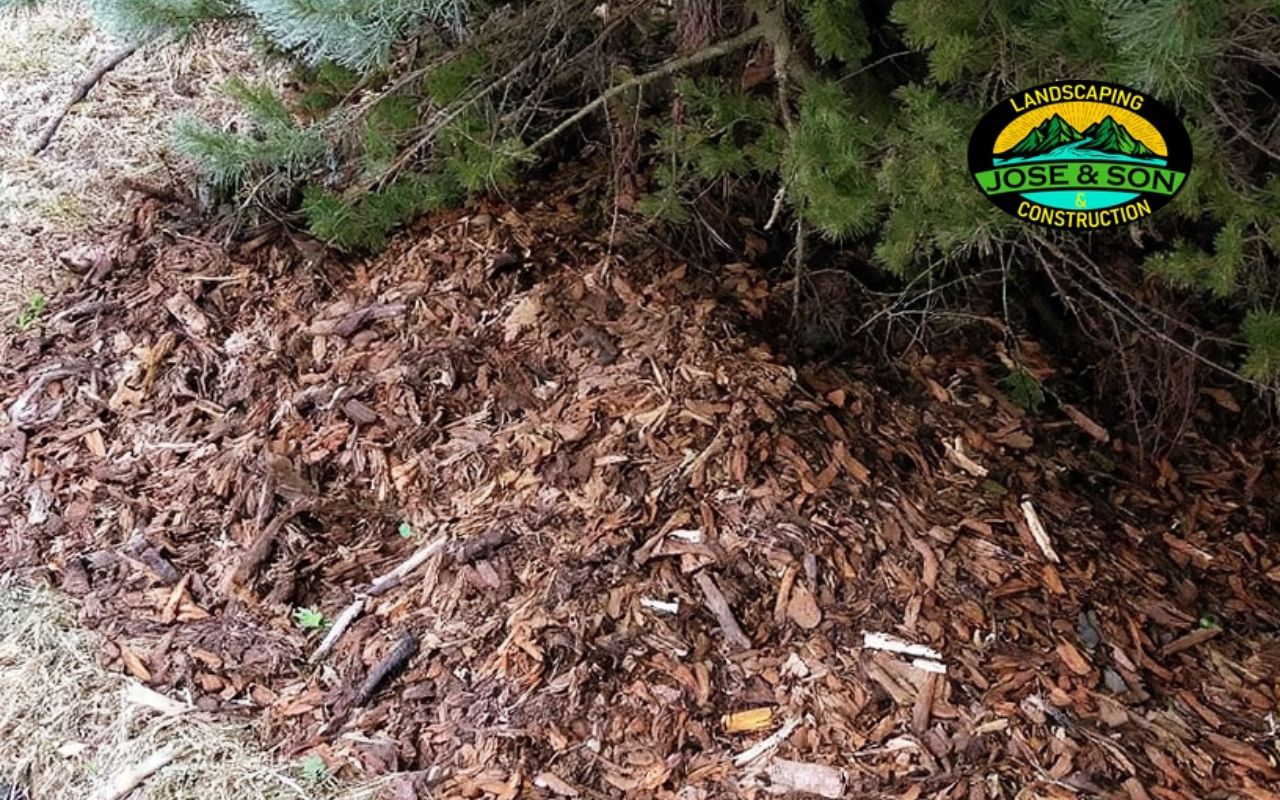
Mulch is a simple tool for Winter Tree Care in Spruce Pine, NC because it steadies soil temperature. A 2–4 inch layer helps limit freeze-thaw heaving and holds moisture longer. Therefore, it supports healthier roots during cold snaps.
Quick mulch checklist
- Use shredded bark, wood chips, or leaf compost for insulation.
- Keep mulch off the trunk by making a donut-shaped ring.
- Refresh thin spots after wind, pets, or wildlife disturb coverage.
Pruning in winter: what to do and avoid
Winter pruning is often easier because branches are bare. However, timing still matters. Try to prune when temperatures are above 25°F to reduce frost injury. Also, clean tools help limit disease spread between cuts.
Safe pruning basics
- Cut just outside the branch collar to support natural healing.
- Remove weak, crossing, or damaged limbs before storms arrive.
- Avoid heavy late-winter pruning that can trigger messy spring sap flow.
If you want deeper guidance, review tree pruning tips for a healthier yard and apply them to your winter plan.
Protect evergreens from wind and burn
Evergreens can dry out fast in winter winds. Therefore, use breathable burlap to reduce needle scorch and frost burn. Place screens on the windward side, and keep wraps loose so air can move. Also, temporary fencing can act as a quick windbreak when storms stack up.
Don’t forget winter watering
Winter drought can stress trees, even when days feel cold. When the ground is not frozen, water deeply every few weeks on mild afternoons. Also, check soil near the drip line. If it is dry a few inches down, a slow soak helps roots stay active and stable.
Handle snow and ice the right way
After storms, gently brush snow off limbs using a broom, starting low and moving up. This reduces extra weight on branches. However, avoid striking iced limbs. Instead, let ice melt naturally, or use lukewarm water to speed melting without cracking bark.
Winter stress signs to watch for
Small warning signs help you act early. For example, look for bark cracks, oozing sap, or sudden limb drops. Also, evergreen needles that turn dull or brittle can point to wind burn. Meanwhile, exposed roots may mean freeze-thaw heaving is pushing them upward.
Common red flags
- Splits in bark or fresh wounds on major limbs
- Discolored needles or curling on conifers
- Leaning trunks, shifting soil, or lifted root flare
For a closer look after a storm, schedule a tree inspection in Spruce Pine to catch issues before they grow.
When to bring in a pro
If you see large cracks, fungus near the base, or major limb failure, get help quickly. Winter Tree Care in Spruce Pine, NC is safer when a trained professional checks risky trees near homes and driveways. Also, specialists can recommend cabling, bracing, or targeted pruning after severe weather.
If your property is outside town, explore tree services in Avery County to match the right crew to your site conditions. Then, use request a winter tree check to share photos and goals for your landscape.
Frequently Asked Questions
How thick should mulch be around trees in winter?
A 2–4 inch layer works well. Also, keep it off the trunk to prevent rot and pests.
Should I prune trees during a deep freeze?
It is better to wait for a milder day. Therefore, aim for temperatures above 25°F when possible.
How do I protect evergreens from winter wind?
Use breathable burlap screens on the windward side. In addition, keep wraps loose for airflow.
Can trees need water in winter?
Yes, especially during dry spells. When soil is not frozen, a deep soak supports root health.
What should I do after a heavy snow?
Brush snow off gently from lower branches upward. However, avoid knocking ice off, since it can snap limbs.
Keep your landscape strong until spring
Winter Tree Care in Spruce Pine, NC is easier when you focus on steady basics. Start with smart mulch, careful pruning, and wind protection for evergreens. Also, watch moisture and clear snow safely. With these habits in place, your trees can enter spring healthier, safer, and ready to grow.