What Irrigation System is Best for Gardens
Gardening is both an art and a science, and finding the right irrigation system is essential for thriving plants. It’s not just about keeping your plants hydrated; it’s about conserving water and promoting sustainable growth. In North Carolina, where weather swings from humid summers to dry winters, the choice matters. Selecting what irrigation system is best for gardens ensures plants remain healthy year-round. With modern advancements, smart irrigation adapts schedules to local forecasts, offering more control than ever. But how do they compare to traditional drip or sprinkler systems? In this guide, we’ll examine the options, giving you insights to transform your gardening experience.
Benefits of Different Irrigation Systems
Drip Irrigation
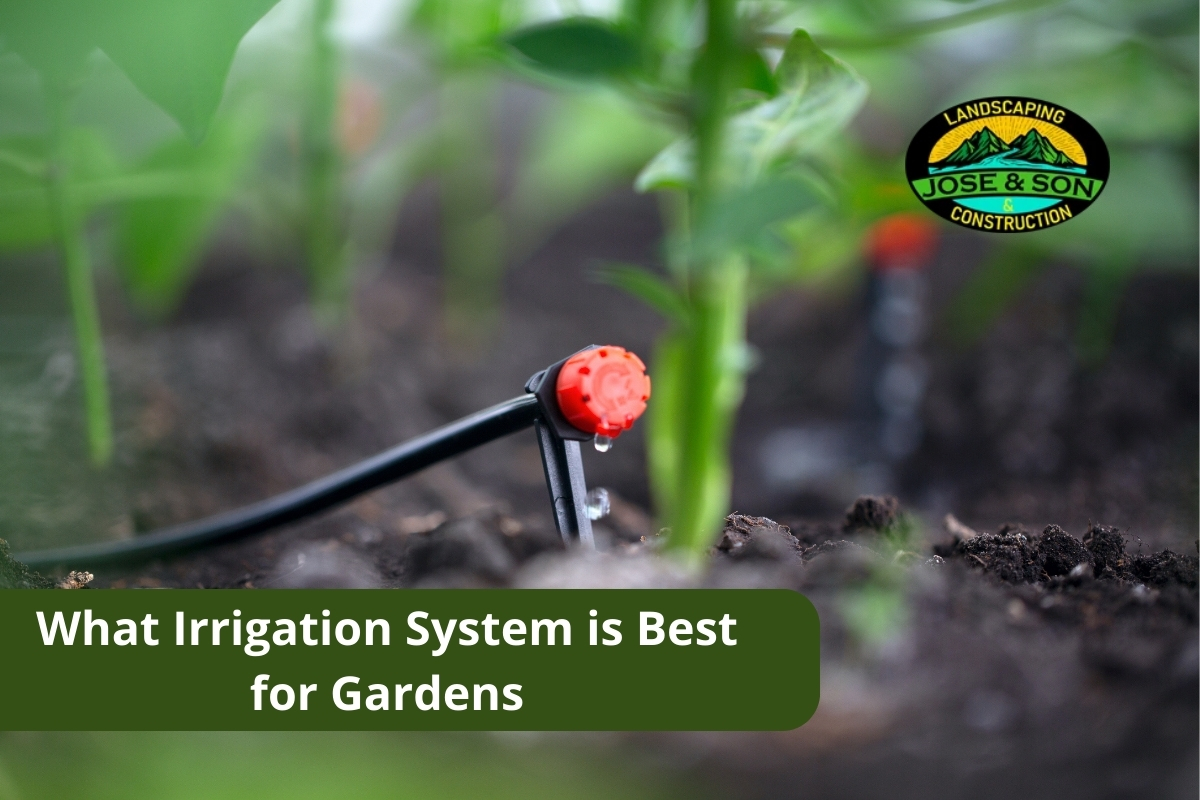
Drip irrigation delivers water directly to roots, reducing evaporation and runoff. Plants receive only the moisture needed, conserving water resources. Over time, it promotes healthier roots and consistent growth.
Sprinkler Systems
Sprinklers provide wide coverage and mimic rainfall patterns. They are easy to install and automate, saving gardeners time. Correct calibration is essential to avoid water waste.
Smart Irrigation Systems
Smart systems use real-time data to adjust watering. They prevent overwatering in rain and keep soil balanced during dry spells. This modern option combines sustainability with convenience.
Soaker Hoses
Soaker hoses deliver water slowly to soil, ensuring deep root hydration. This minimizes evaporation and runoff, making it eco-friendly and efficient. Once installed, they require very little maintenance.
Subsurface Irrigation
Subsurface irrigation delivers water beneath soil, preventing evaporation. It encourages stronger roots while limiting weeds. This method supports water conservation in challenging climates.
Understanding Drip Irrigation Systems
Drip irrigation provides water at plant bases, maximizing absorption and minimizing waste. Because it works at low pressure, energy consumption drops. It is ideal for native plant gardens and promotes drought resistance. With regular maintenance, drip systems remain reliable and efficient season after season.
Pros and Cons of Sprinkler Systems
Sprinklers are excellent for large lawns, covering areas quickly. They’re simple to operate and often programmable. However, they waste water through runoff and wind drift. Overhead watering can also lead to fungal growth if foliage stays wet too long.
Exploring Smart Irrigation Technology
Smart systems blend technology with gardening. They rely on soil sensors, forecasts, and mobile apps to automate watering. This prevents water waste while ensuring plants thrive. Homeowners can monitor systems remotely and make instant adjustments. The investment pays back in water savings and healthier gardens.
Factors to Consider Before Choosing an Irrigation System
When deciding what irrigation system is best for gardens, evaluate soil, layout, and water pressure. Sandy soils need frequent watering, while clay retains moisture longer. Garden topography and local regulations also influence your choice. Always review zoning rules and available water-saving rebates.
Installation Process for Various Irrigation Systems
Start with a survey of planting zones and water pressure. For drip systems, lay shallow lines with pressure regulators and filters. Sprinklers require PVC mains, pop-up heads, and timers. Smart systems demand sensor placement and calibration with local weather data. Each system should be tested before finalizing installation.
Maintenance Tips for Garden Irrigation Systems
Regular care extends system life. Clean filters and flush lines to prevent clogs. Inspect drip emitters each season, and winterize lines where freezes occur. For sprinklers, check spray patterns and replace worn heads. Smart systems may need firmware updates to stay accurate. Proper maintenance ensures efficiency across all setups.
FAQ About Garden Irrigation Systems
What irrigation system is best for small gardens?
Drip irrigation is ideal, as it provides precise watering directly to the roots of plants.
Can smart irrigation save water?
Yes, smart systems optimize water schedules using real-time weather and soil data, helping reduce water waste significantly.
Are sprinklers suitable for all gardens?
No, sprinklers are best for large lawns. For mixed beds or shrubs, drip irrigation is often more efficient.
How often should I maintain my irrigation system?
It’s recommended to inspect systems seasonally, flush filters monthly, and perform checks during hot months to avoid uneven watering.
Choosing the Ideal Irrigation System for Your Garden
Ultimately, the decision on what irrigation system is best for gardens depends on garden size, soil, and budget. Drip irrigation suits vegetable beds, sprinklers support expansive lawns, and smart systems combine automation with sustainability. By evaluating these systems, you can align solutions with your gardening goals. For professional support, explore our contact page and let our experts help design your irrigation system.